Choosing an electric vehicle (EV) is more than picking the nicest exterior — it’s matching range, charging, cost and support to your real-life needs. Use these eight distinct, actionable steps to find an EV that fits your daily routine and budget.
1.Define your driving profile and priorities
Explain what you’ll mainly use the car for (city commute, long-distance drives, family trips, cargo) and calculate typical daily and weekly mileage. Action: list your average trip lengths and how often you need >200–300 km range — this tells you the minimum realistic range to target.
2.Choose the right powertrain
Understand the differences: BEV (battery electric), PHEV (plug-in hybrid), HEV (hybrid) and FCEV (hydrogen). Action: pick BEV if you want full electrification and have charging access; choose PHEV if you need flexible long-range without full charging infrastructure.
3.Prioritize real-world range and battery longevity
Official range figures vary; real-world range depends on speed, climate and load. Action: check WLTP/WLTP-to-real-world adjustments, read owner forums for true range, and prefer models with good battery thermal management and a clear battery degradation warranty.
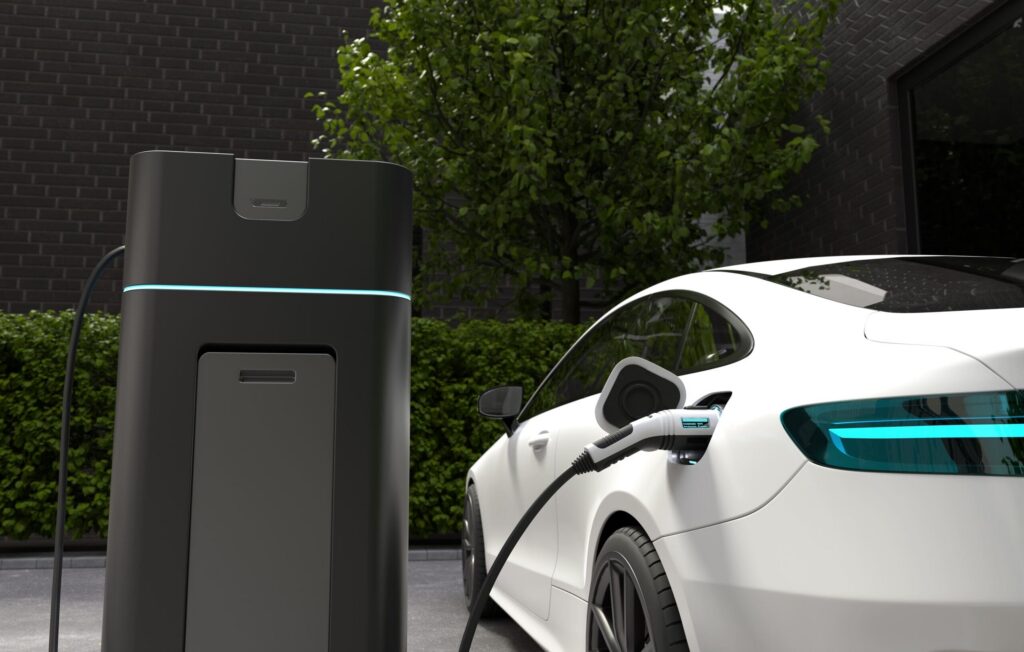
4.Evaluate charging options and speed
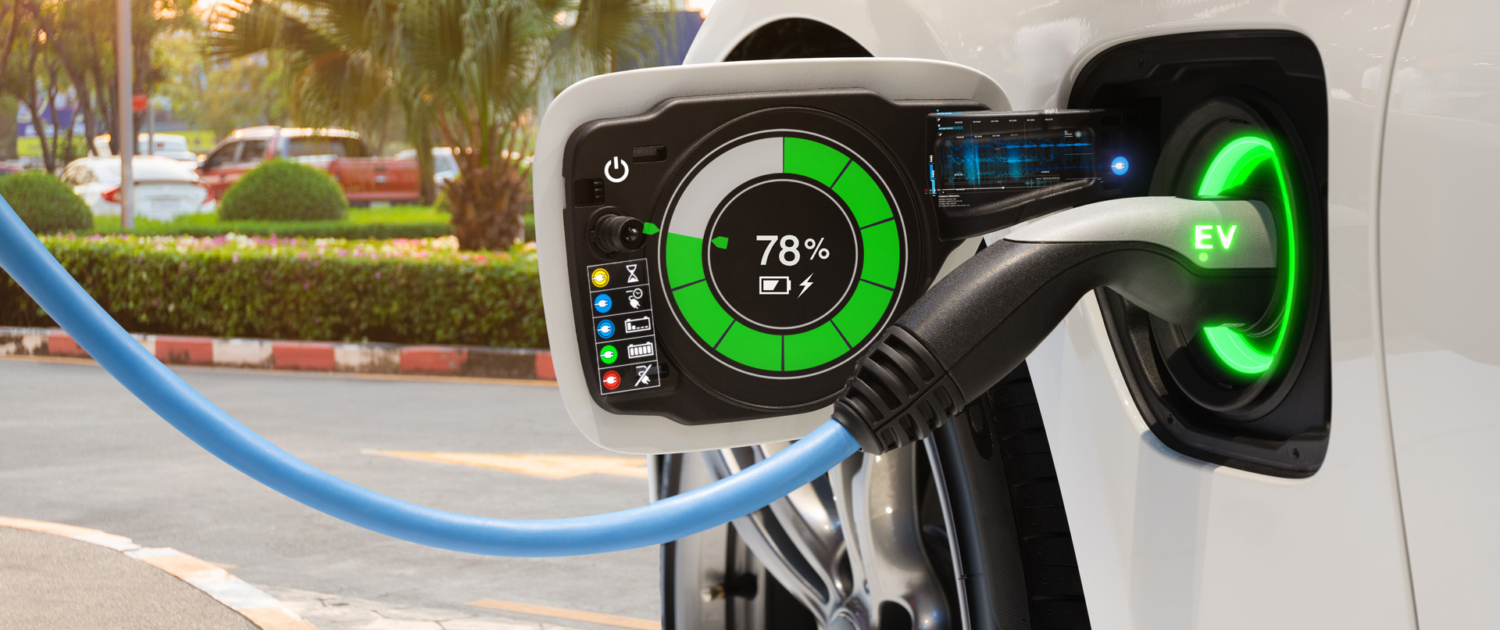
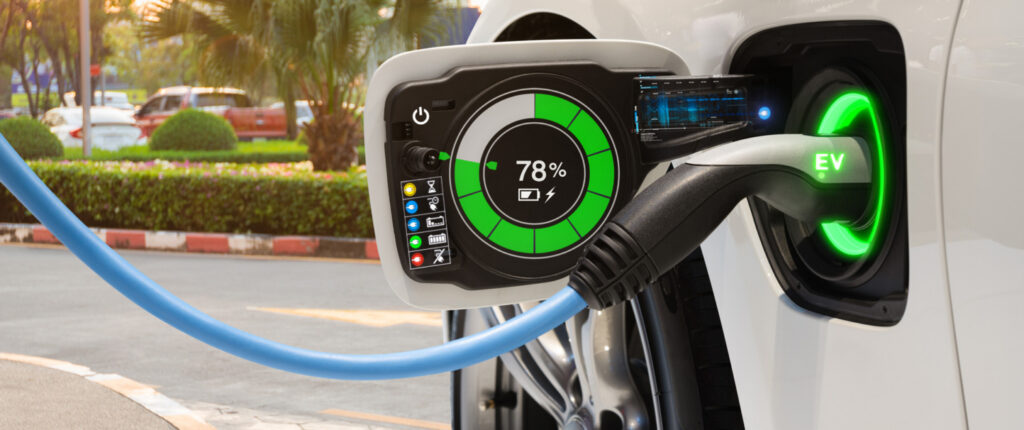
Considering the feasibility of home charging, including parking space and electrical capacity, as well as the availability of fast chargers on your usual routes. It’s important to confirm the car’s maximum DC fast-charge rate, the onboard charger rating for AC charging, and whether the charging plug standard is compatible with your region.
5.Look at the total cost of ownership (TCO) Don’t just focus on the sticker price; take into account incentives, registration benefits, electricity versus fuel costs, insurance, maintenance, and expected depreciation. Create a 5-year TCO estimate by calculating the purchase price minus incentives, plus fuel or electricity, insurance, maintenance, and minus resale value to make fair comparisons between models.
6.Safety and reliability records are also crucial. Electric vehicles have specific safety considerations, such as battery protection and thermal runaway risks, in addition to standard crash safety. Review crash-test ratings, battery safety designs, recall histories, and long-term reliability reports from both owners and independent testers.
7.Assess the software, advanced driver-assistance systems (ADAS), and upgrade paths. Modern electric vehicles often depend on software features, over-the-air updates, and ADAS, which can impact usability and future value. Confirm which features are hardware-based versus subscription-only, whether OTA updates are free, and the level of ADAS (L1/L2/L2+) that the vehicle provides.
8.Compare warranty terms, service networks, and resale outlooks. After-sales support is essential, so look into battery warranty terms, service center coverage, mobile service options, and the demand for trade-ins or resales. Prioritize manufacturers that offer extensive service networks, clear battery replacement policies (in terms of years or kilometers), and strong resale values in your area.